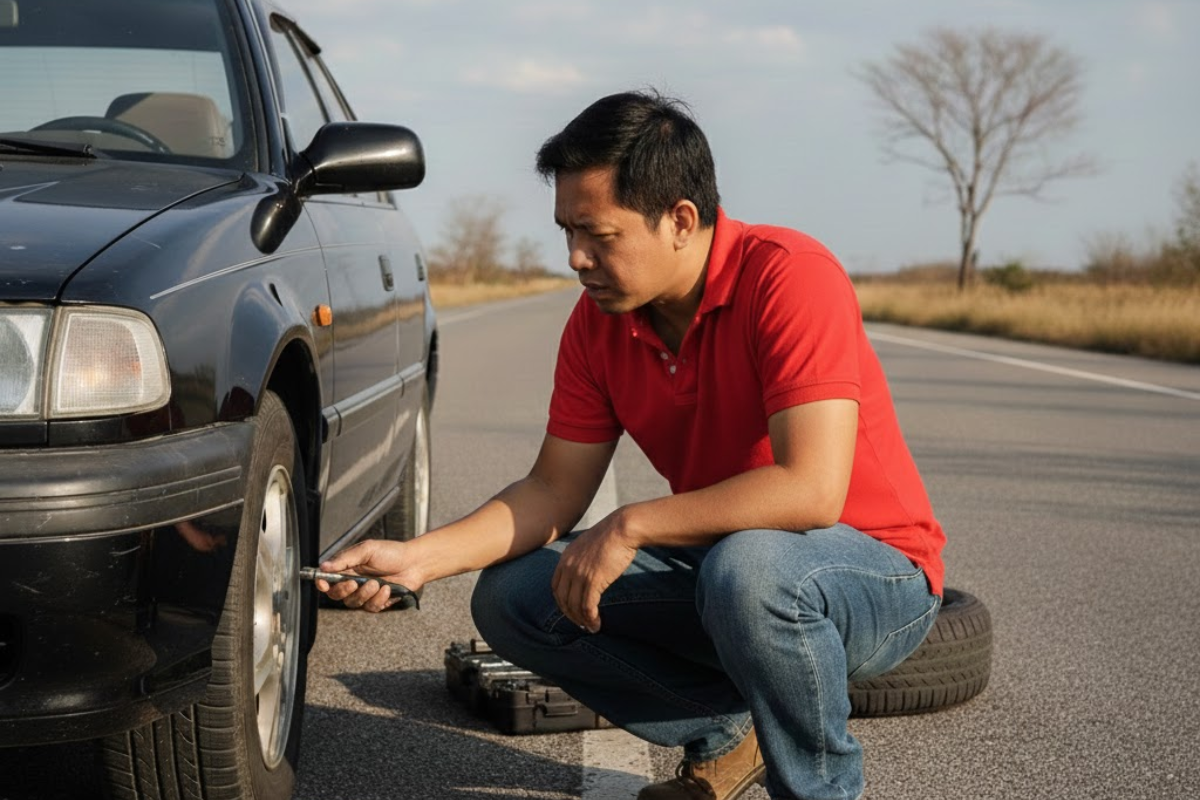
Tires are your car’s connection to the road, and their condition affects safety, handling, and fuel efficiency. Knowing the warning signs of wear and damage helps you replace them before problems arise.
Tread depth is essential for traction, especially in wet or slippery conditions. You can use a tread gauge or the piso test to check depth—if it’s below 2/32", it’s time to replace.
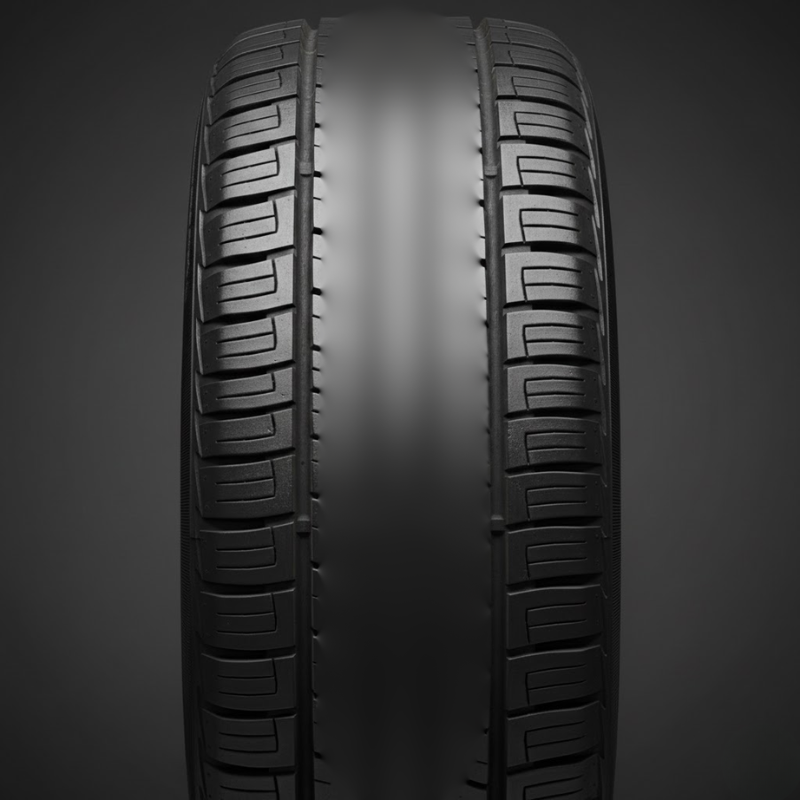
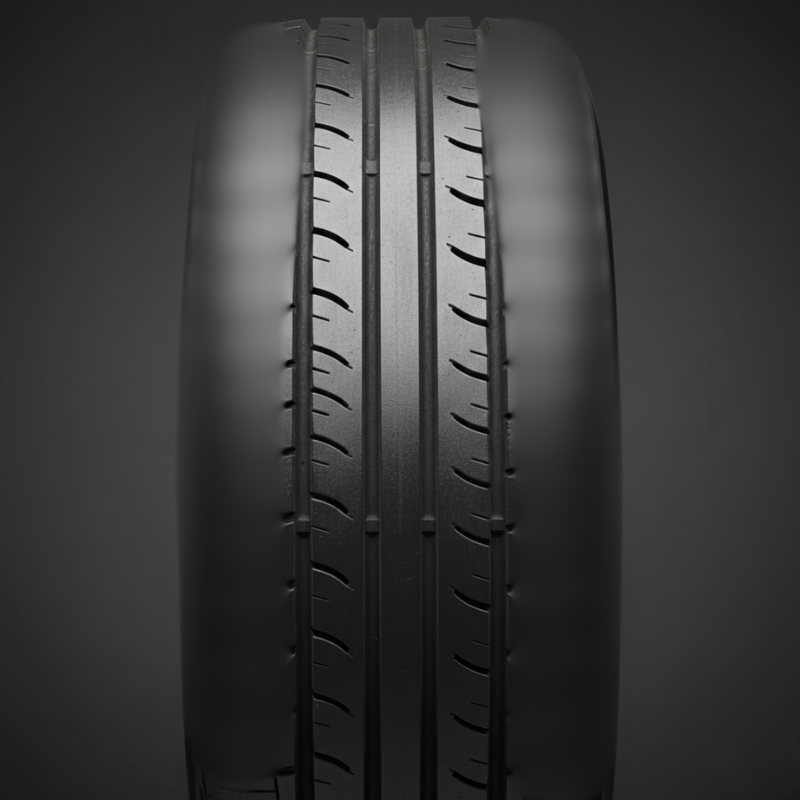
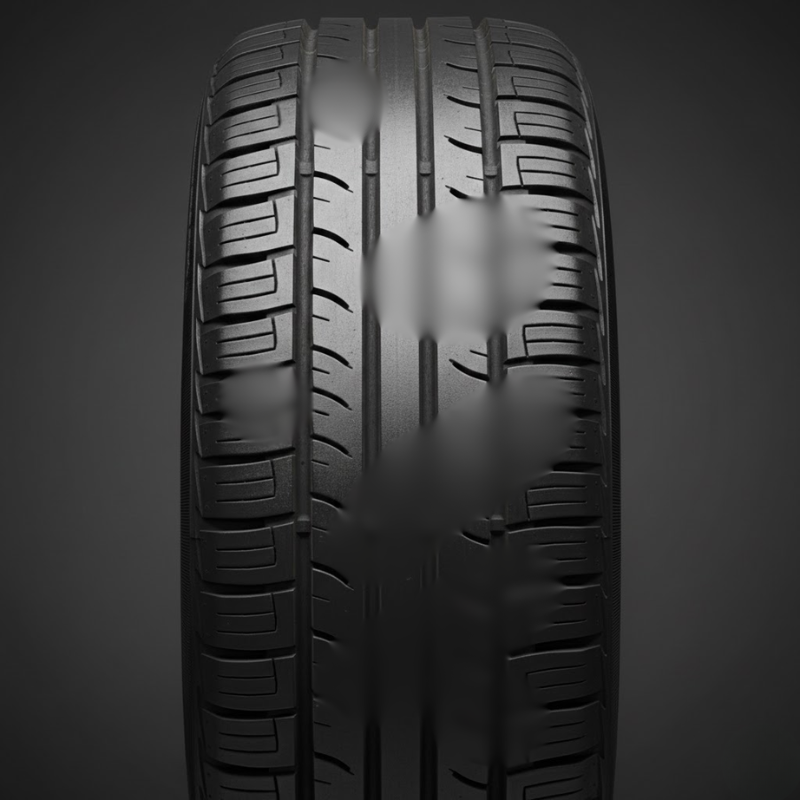
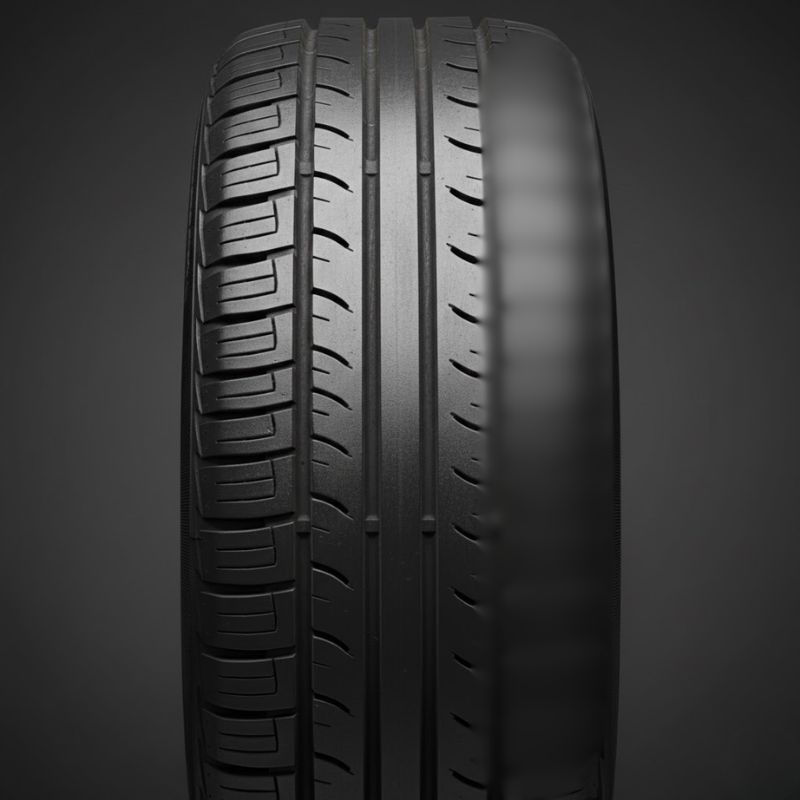
Patch Wear
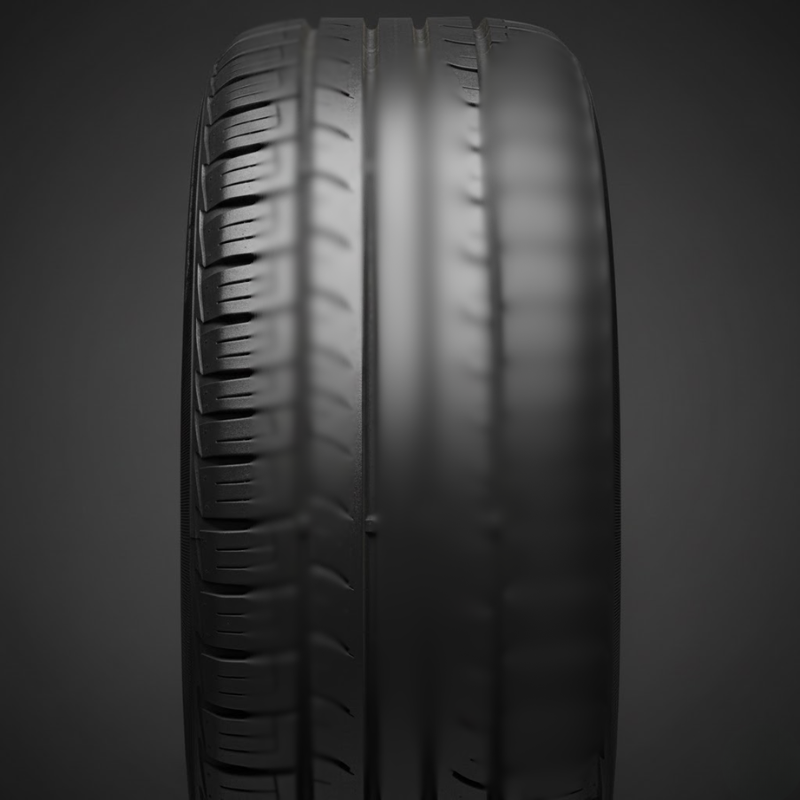
Out of Balance
Camber Wear
Alignment Issue
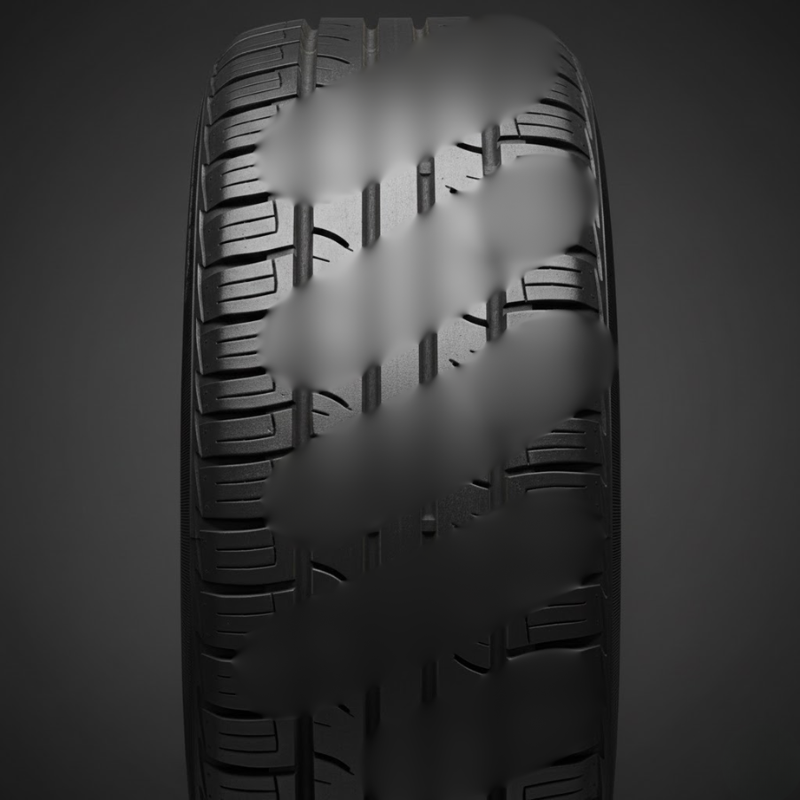
Cup Wear
Bent or Worn Suspension
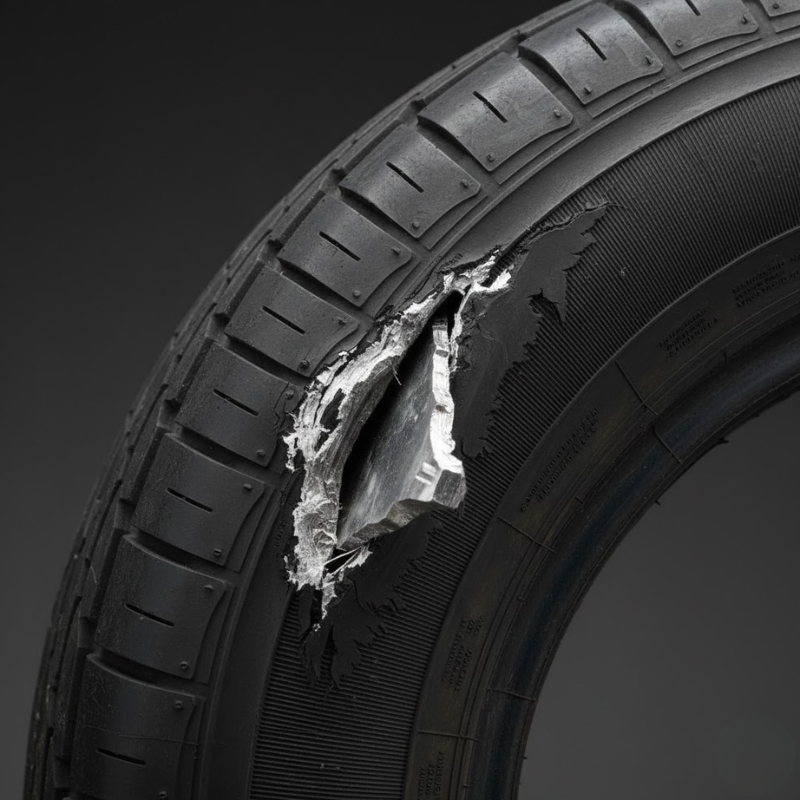
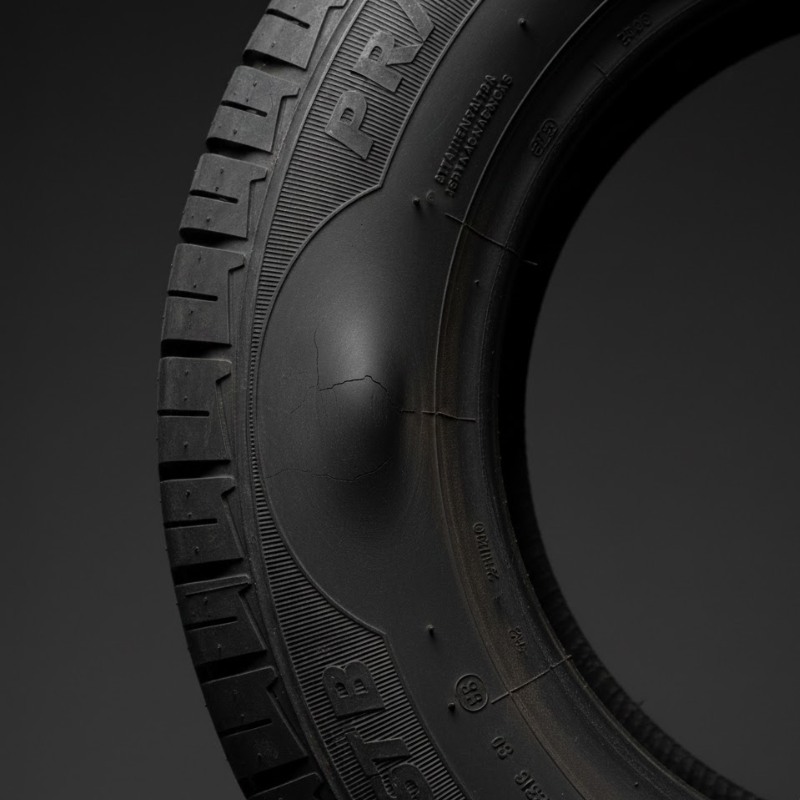
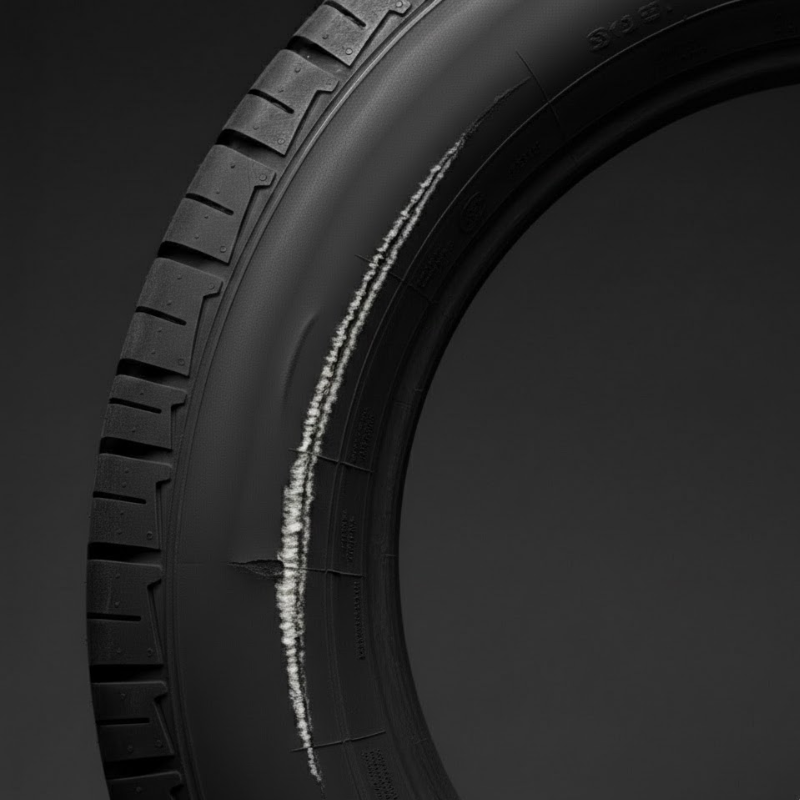
Any bumps, blisters, or deep cuts on your tire’s sidewall are a serious warning sign. These indicate internal damage that could lead to sudden blowouts, so replace the tire immediately.
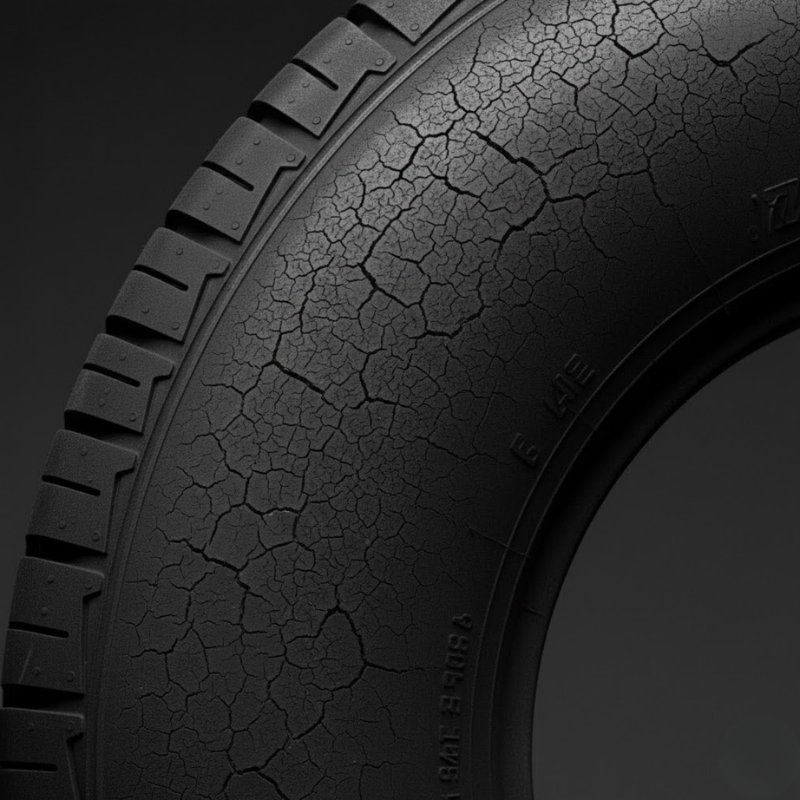
Cracks on the sidewall or between treads weaken the tire structure. Age, sun, and heat often cause them, so cracked tires should be replaced promptly.
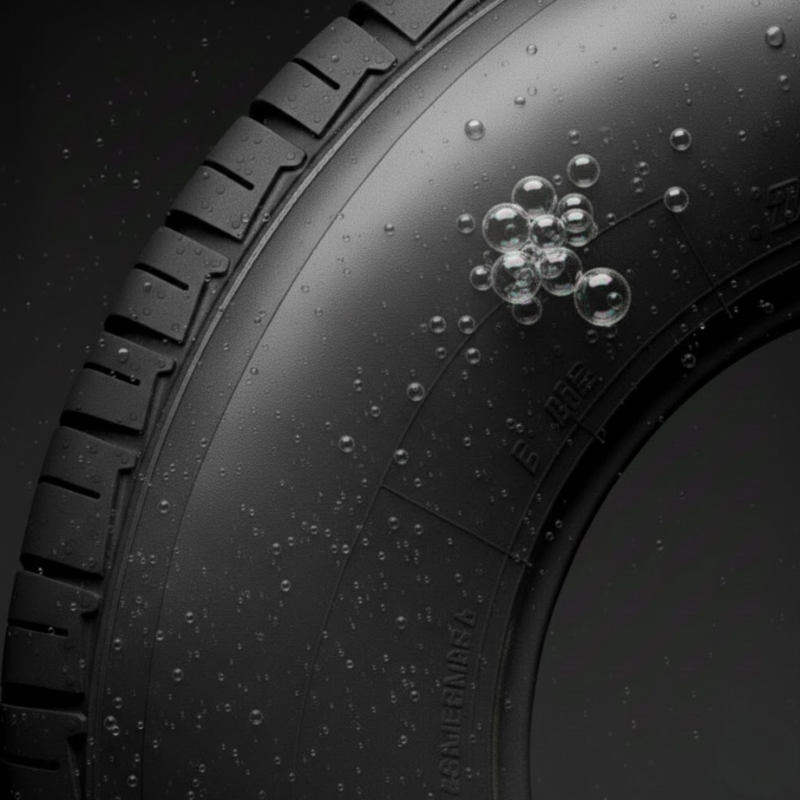
Consistently losing air pressure, even after correcting punctures, can signal that a tire is compromised. Persistent leaks reduce fuel efficiency, affect handling, and increase the risk of accidents.
While some vibration is normal, excessive or unusual vibration while driving can indicate tire imbalance, misalignment, or internal damage. Ignoring this can cause uneven tire wear or even a blowout.
Even if they look fine, tires naturally degrade over time. Rubber hardens and becomes more prone to failure, so replace any tire that’s 10 years or older.
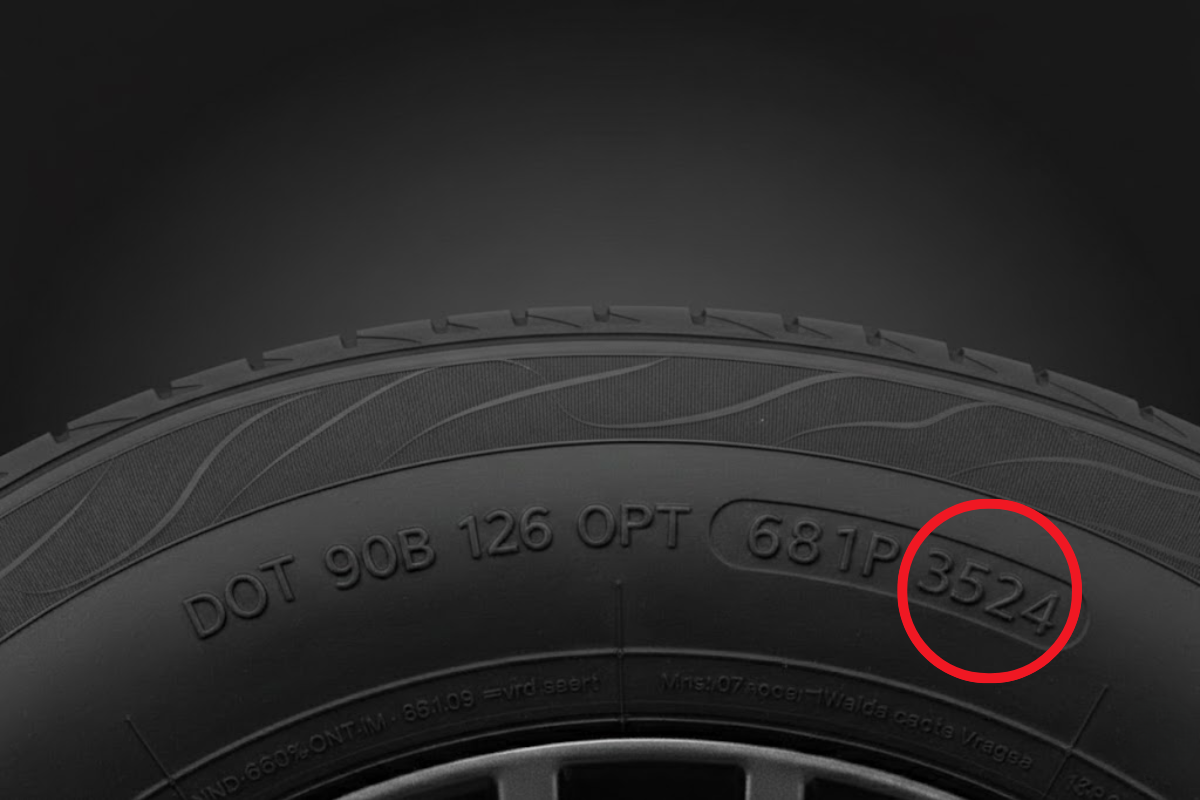
HOW TO READ DOT?
Find the “DOT” on the side
The code start with DOT followed by letters and numbers
Read Last 4 digits WWYY
First two digits is the Week while last two is the year
Example: 3524 = 35th week of 2024